
Spotify Update Enhances Offline Playlist Functionality for Android Users
Spotify, a widely used audio streaming platform, has recently rolled out a substantial update focused on refining the offline playlist experience for Android users. This adjustment represents a notable progression in resolving specific usability matters that users have encountered when organizing downloaded media.
By implementing a more structured and logical method for offline music administration, this update targets improved functionality, aiming to ensure that listeners can maintain a consistent offline playback session.
Understanding the Update Mechanics
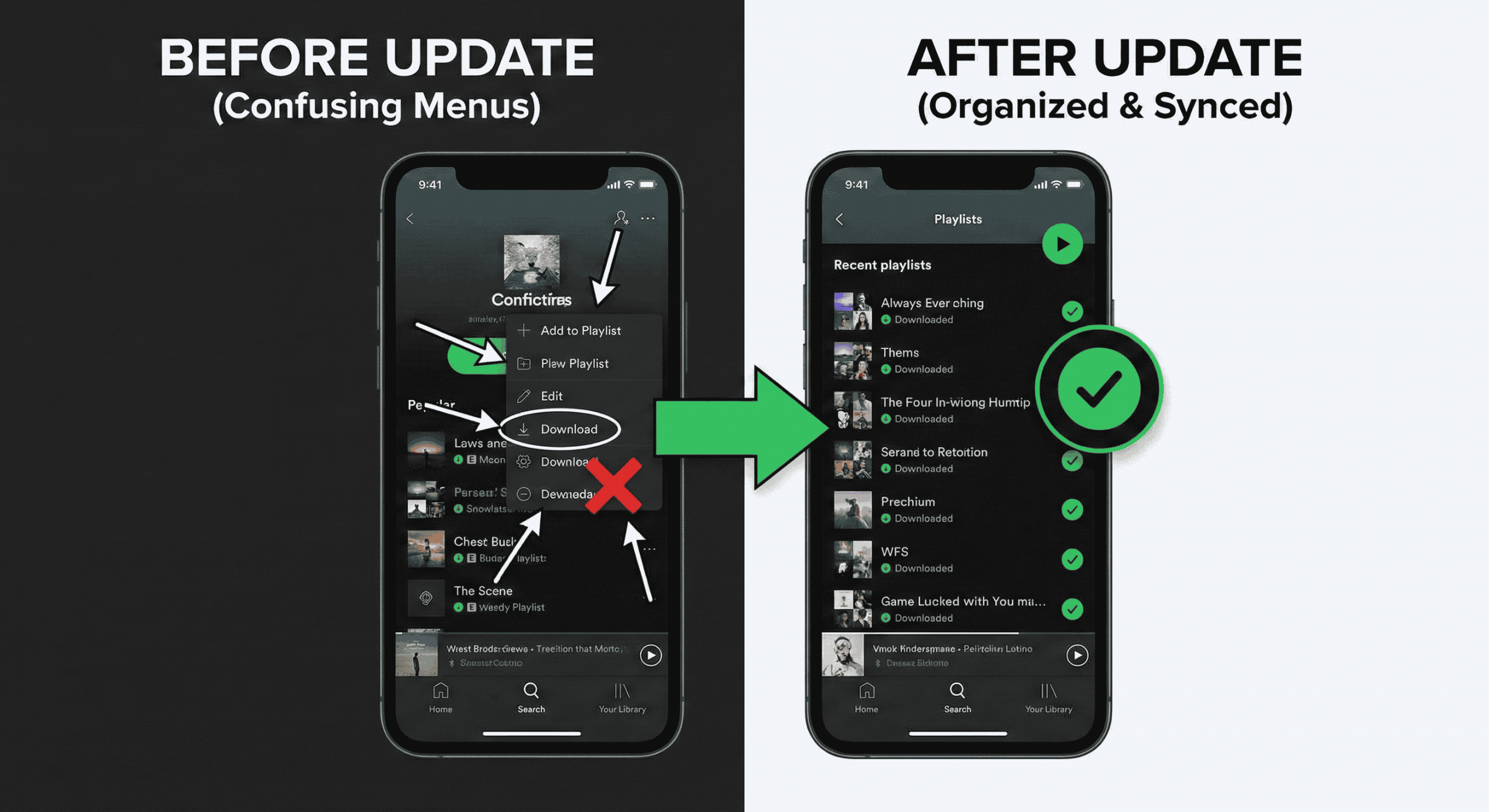
The primary component of Spotify’s latest version relates to the administration of offline collections. Previously, Android users frequently faced hurdles in effectively organizing their offline playlists, which sometimes resulted in uncertainty regarding which tracks were stored locally versus those that were not. Users often needed to browse through multilayered menus to save or delete songs, which could contribute to navigation challenges within the app.
The new version presents a more systematic approach. Offline playlists are designed to sync automatically, offering users a transparent and sorted perspective of the audio available for offline listening. This change intends to reduce the complexity and ambiguity that was previously noted. Moreover, the update facilitates better storage oversight, permitting users to decide which playlists or albums take precedence on their hardware. These adjustments are meant to support a more accessible interface and a practical application of device storage.
Relevance for the Android Ecosystem
In the past, the Android user base has occasionally perceived a disparity compared to iOS users, who have frequently seen earlier access to feature refinements and stability adjustments. This release signifies a move toward balancing the functional experience between the two major operating systems. The Android iteration of Spotify now provides a comparably polished operation to its iOS alternative, specifically regarding how offline playlists are handled. The accessibility of this upgrade is a noteworthy aspect. By streamlining the procedure for controlling offline audio, Spotify enables users to rapidly verify which media is ready for disconnected listening, removing the requirement to manually search through various playlists or albums. For regular travelers or individuals in regions with intermittent internet connectivity, this capability is practical, as it helps verify that music remains accessible when required, irrespective of data connection status.
Practical Utility and User Advantages
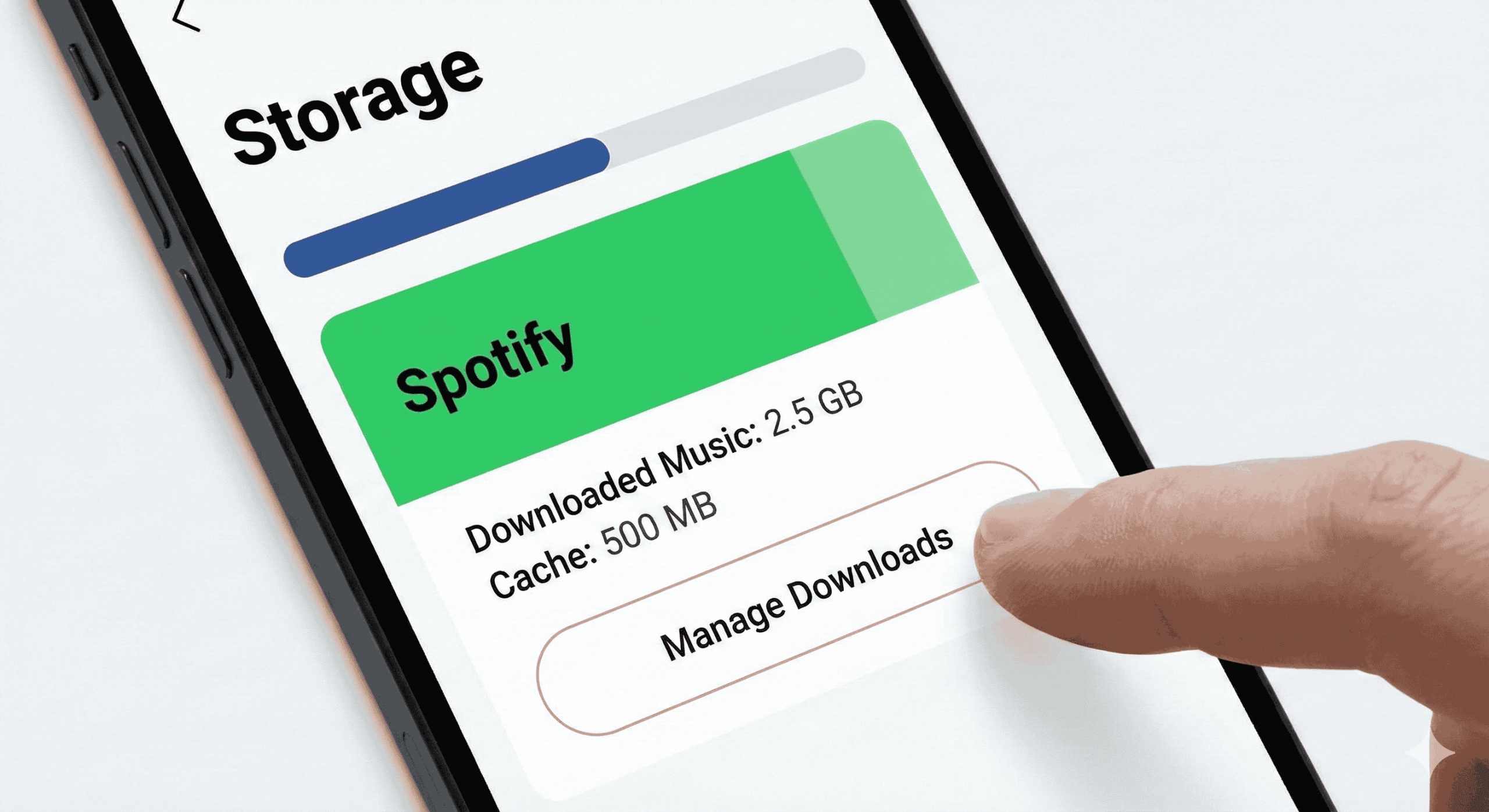
The adjusted offline playlist framework offers several functional advantages for the audience. Primarily, it minimizes the time and steps needed to save and oversee music for non-networked usage. The automated syncing of playlists means users can rely more on the system to handle download status. This update also simplifies the monitoring of storage capacity on mobile handsets, as users can now govern their offline files with more precision.
This is especially useful for devices with restricted memory, as it allows for calculated decisions on which media to keep on the hardware. Furthermore, the clarified interface adds to the general stability of the application, supporting a steady usage pattern. With reduced barriers to reaching offline files, users can expect a more stable and continuous session, which is significant for sustaining Spotify’s service standards in the extensive music streaming industry.